Embroidery Traditional African Style
A First Look at the Design
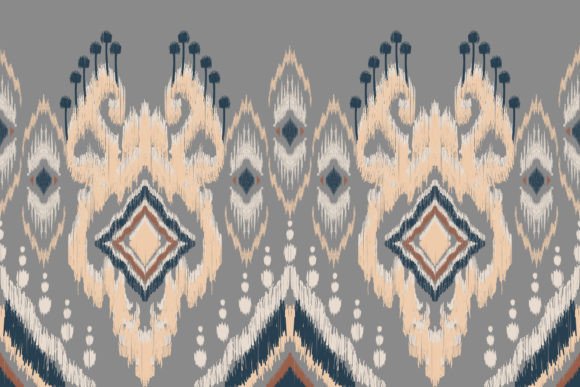
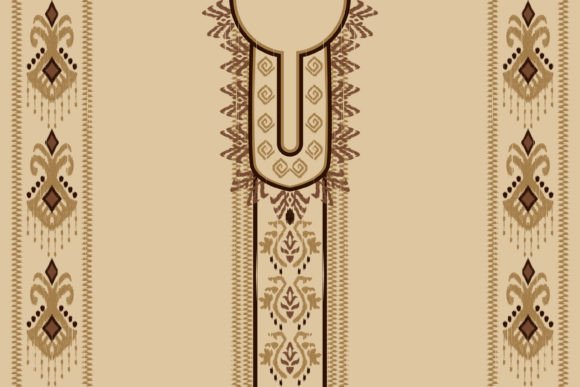
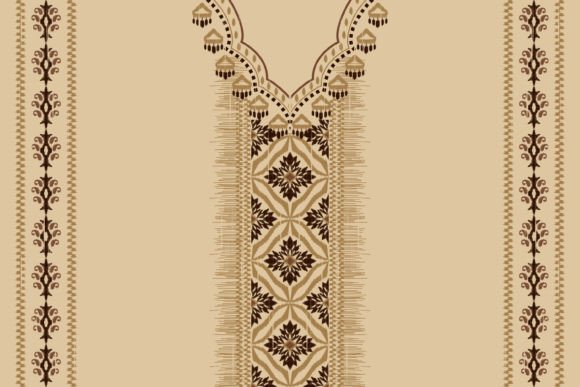
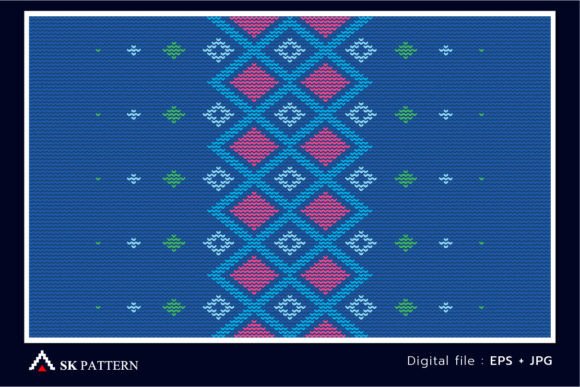
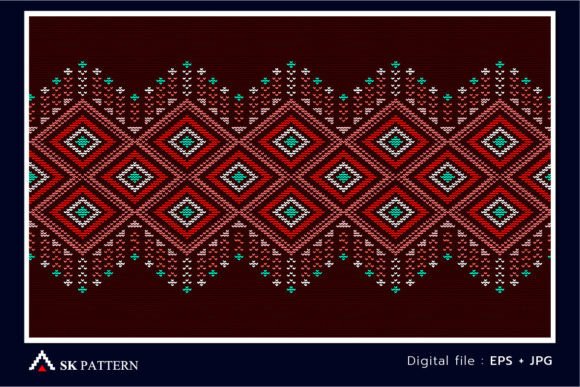
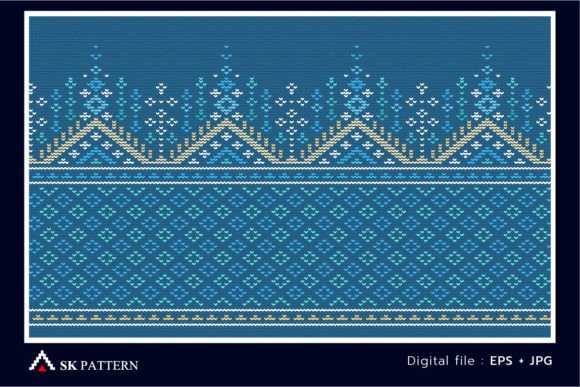
The first time I saw Embroidery Traditional African Style, I was struck by its rich visual language and cultural depth. The design feels grounded in tradition, with intricate patterns that suggest a story waiting to be told. It’s not just a collection of shapes—it’s a visual rhythm, a balance of bold lines and delicate details. The layout is clean yet complex, offering enough structure to guide the eye while allowing room for creativity.
What Projects Does This Design Fit?
Embroidery Traditional African Style is versatile, but it shines best on projects that can carry its weight. Think about custom apparel—especially items like tote bags or sweatshirts where the design can make a statement without overwhelming the fabric. It also has potential for baby items, like onesies or blankets, where its traditional aesthetic can add a touch of elegance. For crafters, it could work well on wall art, throw pillows, or even decorative patches.
I imagine using this design for a custom embroidered tote bag, something that would appeal to both casual and boutique shoppers. The pattern’s complexity makes it ideal for a standout piece, while its traditional roots give it a timeless quality. It could also be a great fit for holiday gifts, especially if paired with a neutral color palette.
Real-Life Embroidery Considerations
When evaluating any embroidery design, it’s important to think about how it will perform in real-life scenarios. Embroidery Traditional African Style has some features that require careful consideration. For instance, the detailed corners and dense stitch areas may need more precise stitching. If you’re working with thin or stretchy fabrics, the design might require additional stabilizer to maintain shape and clarity.
Dark fabrics can pose a challenge too. While the design has strong outlines, the contrast between the thread and the background might not always be ideal. Testing the design on a scrap of dark fabric is a good idea before committing to a final product. Similarly, small hoop sizes may struggle with the design’s complexity, so checking the file format and compatibility is essential.
Where to Use Carefully
There are certain applications where Embroidery Traditional African Style should be used with caution. For example, curved surfaces like caps or hats may distort the design, making it less readable. Dense stitch areas could cause tension issues, especially on layered garments or fabrics with texture. Tiny lettering, if present, may be difficult to see after stitching, so it’s worth reviewing the design’s scale before use.
Products that require frequent washing, such as kitchen towels or baby clothes, might also benefit from a simpler design. That said, Embroidery Traditional African Style is still a strong candidate for these types of items if the details are carefully managed. Using a high-quality stabilizer and ensuring proper stitch density can help maintain the design’s integrity through repeated use.
Design Impact on Visual Appeal and Value
Visual appeal is key when it comes to handmade products and personalized gifts. Embroidery Traditional African Style offers a unique blend of tradition and modernity, which can make it stand out in a crowded market. Its detailed nature adds value, especially for Etsy sellers and small shop owners looking to differentiate their offerings.
Customer trust is also influenced by the clarity of the design. A well-executed embroidery project can elevate a handmade product from ordinary to exceptional. When customers see the detail and craftsmanship in Embroidery Traditional African Style, they’re more likely to perceive the product as professional and high-quality. This is especially important for commercial embroidery projects and brand-building efforts.
Practical Designer Notes
As an experienced designer, I recommend testing Embroidery Traditional African Style on scrap fabric first. This allows you to assess how the design looks in practice and identify any potential issues. Checking thread color contrast is another important step—ensure the design stands out against the intended fabric background.
Reviewing stitch density is crucial for maintaining the design’s clarity. Too many stitches can lead to bulkiness, while too few may result in a flat appearance. Confirming the hoop size is also necessary, as the design’s complexity may require a larger hoop for optimal results.
Inspecting small details, such as tiny lettering or decorative accents, can reveal hidden challenges. Testing the design in black and white mockups helps visualize how it will look under different lighting conditions. Comparing light and dark fabric backgrounds ensures the design remains legible across various applications.
Using proper stabilizer is essential for preventing puckering and distortion. Finally, confirm licensing terms before selling finished items or digital products. Ensuring that Embroidery Traditional African Style is suitable for both personal and commercial use is a key part of the design review process.
Final Thoughts on Embroidery Traditional African Style
Embroidery Traditional African Style is a thoughtful and visually engaging design that has the potential to elevate a wide range of projects. From custom apparel to handmade gifts, it offers a blend of tradition and modernity that appeals to both crafters and customers alike. With careful planning and attention to detail, this design can become a valuable asset for any embroidery business or creative entrepreneur.