White and Blue Embroidery Background
A Subtle yet Strong Design for Boutique Apparel
As an experienced embroidery designer, I’ve had the chance to work with countless patterns, but few have captured the delicate balance of elegance and versatility like White and Blue Embroidery Background. This design is more than just a visual element—it’s a statement that can elevate your boutique brand or small shop product line. Whether you're planning a collection of sweatshirts, hoodies, or tote bags, this pattern offers a refined aesthetic that feels both modern and timeless.
First Impressions: A Visual Mood That Speaks Volumes
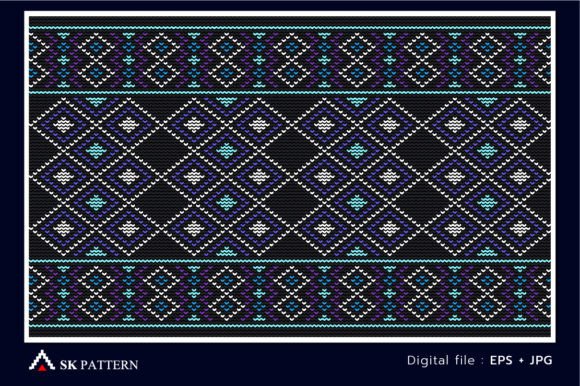
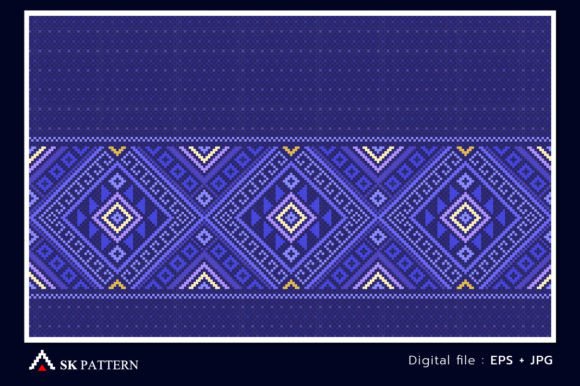
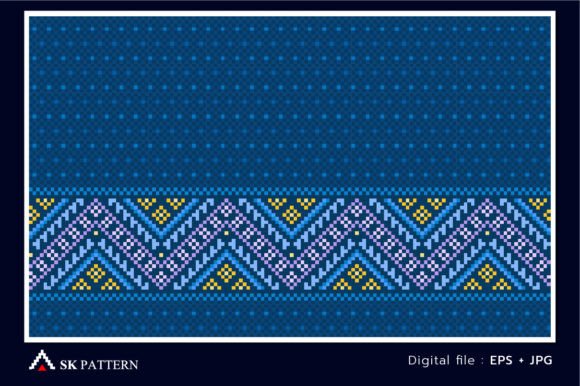
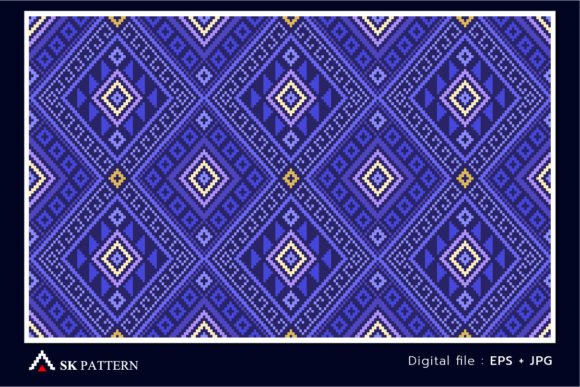
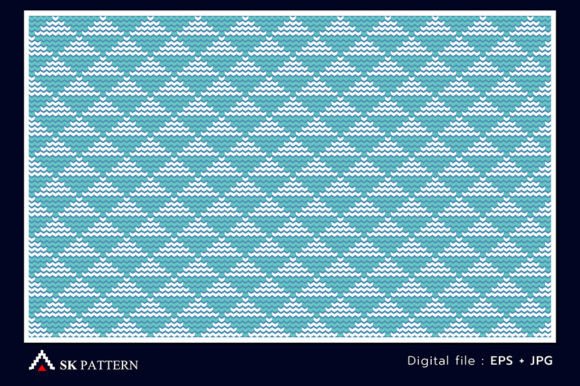
The first thing that catches the eye about White and Blue Embroidery Background is its soft, diagonal layout. The pattern features a gentle gradient of white and blue, creating a sense of movement that adds depth without overwhelming the garment. It’s a design that feels calm yet intriguing, making it ideal for those who want to introduce subtle artistry into their apparel without going overboard.
Visually, this pattern leans towards a minimalist and playful vibe, with a touch of feminine sophistication. The endless triangle motif suggests a sense of continuity and flow, which works especially well on oversized garments or cozy seasonal pieces. It's not overly bold, but it still carries enough detail to feel intentional and premium.
Apparel Use: From Sweatshirts to Tote Bags
White and Blue Embroidery Background is incredibly versatile when it comes to application. On neutral sweatshirts, it adds a touch of elegance that can be both casual and chic. When placed on the chest, it sits beautifully against the fabric, creating a balanced look that doesn’t compete with the garment itself.
For hoodies, this design shines on the front or back, offering a clean contrast to pastel hues. Its diagonal nature also makes it a great option for sleeve accents or back designs, where it can add visual interest without being too busy. On t-shirts, it works well as a subtle graphic, especially when paired with solid colors or light wash denim jackets.
Tote bags and other accessories are another excellent canvas for this design. The pattern’s scale and layout make it perfect for larger surfaces, allowing it to maintain clarity and impact even at a distance. For custom apparel and handmade product lines, it’s a great way to introduce a signature style that can be repeated across multiple items.
Design Performance: What to Expect in Practice
While White and Blue Embroidery Background looks stunning on paper, it’s important to consider how it performs in real-world applications. The design is relatively simple, which means it should stitch smoothly on most embroidery machines. However, because of its diagonal layout, some areas may require careful placement to avoid distortion.
When working with stretchy fabrics like fleece or ribbed materials, it’s crucial to test the design on scrap fabric first. The pattern’s intricate lines can sometimes cause tension issues if not properly supported by a quality stabilizer. Choosing the right thread color is also key—opting for a slightly darker shade of blue or a muted white can help enhance the design’s visibility without overpowering the fabric.
Additionally, the stitch density and hoop size will affect how the design appears on the final product. Since the file is provided as an EPS and JPG, it’s important to review the details carefully before production to ensure compatibility with your machine and software. Always check the digital embroidery file for any potential issues related to resolution or scaling.
Where to Use Carefully: Precision Matters
Despite its beauty, White and Blue Embroidery Background isn’t always the best fit for every application. Small chest placements can sometimes cause the design to appear too tiny or lose its impact. Dense stitch areas may also lead to uneven stitching, especially on thicker fabrics. Similarly, curved surfaces or areas prone to stretching can distort the pattern, so it’s best to avoid these spots unless you’re using a high-quality stabilizer.
Dark garments can also pose a challenge, as the design’s subtle tones may not stand out enough. In such cases, consider using a contrasting thread color or adjusting the placement to ensure visibility. For commercial embroidery and printable mockup purposes, always test the design on similar fabric types to see how it behaves under different conditions.
Impact on Brand Identity and Customer Engagement
Using White and Blue Embroidery Background can significantly enhance your brand’s visual identity. The design’s clean lines and elegant color palette lend themselves well to boutique brand aesthetics, helping to create a cohesive look across all your products. By incorporating this pattern consistently, you can build a recognizable style that resonates with your target audience.
From a customer perspective, the design adds value by introducing a unique and artistic element to your small shop product line. It can also boost buyer trust by signaling attention to detail and quality craftsmanship. Whether it’s for Etsy seller listings, social media graphics, or lifestyle product photos, this pattern helps to present your brand in a professional and visually appealing way.
Final Thoughts: A Reliable Choice for Creative Entrepreneurs
As someone who values both aesthetics and functionality, I find White and Blue Embroidery Background to be a reliable choice for a wide range of custom apparel projects. It’s a design that respects the integrity of the garment while adding a touch of personality and artistry. Whether you’re launching a new line of sweatshirt embroidery, hoodie design, or handmade product, this pattern offers a versatile and stylish solution.
Before moving forward, I recommend testing the design on scrap fabric, checking stabilizer choices, and confirming all technical details from the Creative Fabrica embroidery listing. With proper preparation, White and Blue Embroidery Background can become a staple in your design toolkit, helping you create beautiful, market-ready products that stand out in a competitive space.