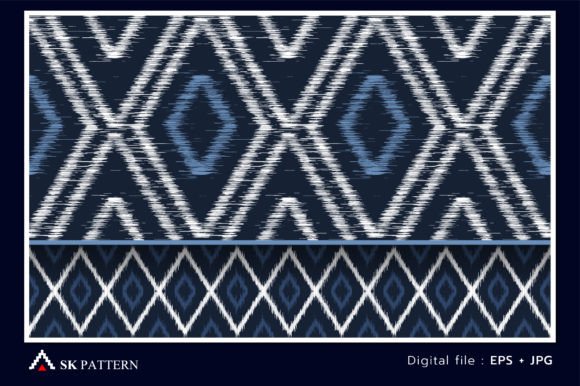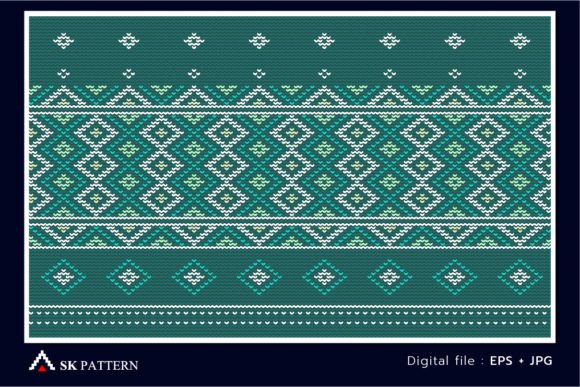
Retro Moroccan Style Embroidery
First Impressions: Bold and Timeless
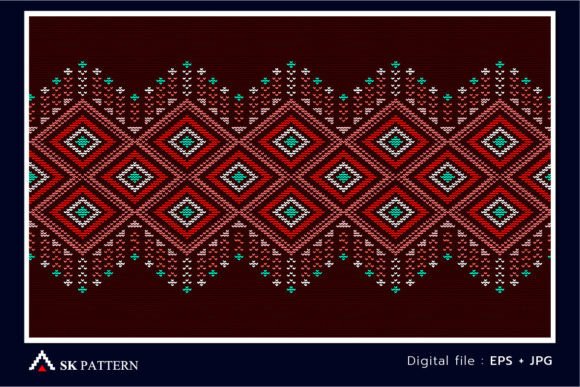
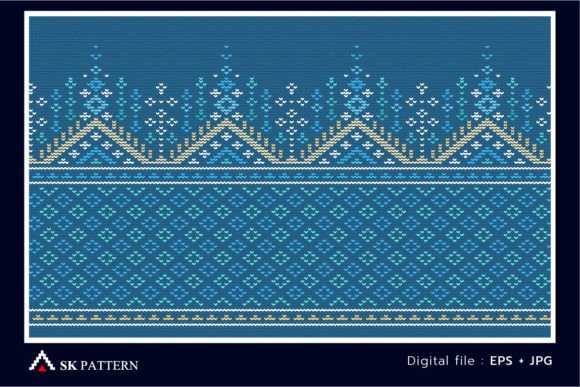
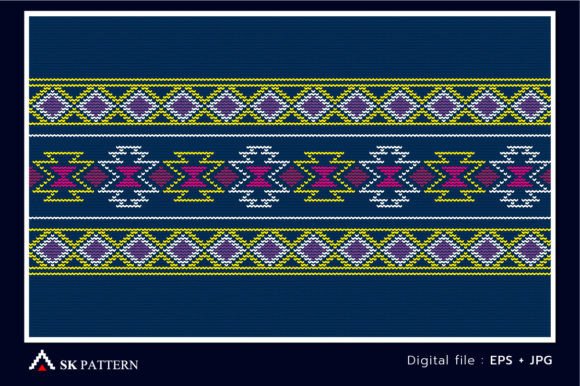
The Pattern Embroidery Retro Moroccan Style immediately strikes a balance between bold and elegant. With its intricate geometric patterns and rich color palette, it feels like a piece of art that can easily transition from a wall hanging to a hand-stitched pillow cover. The design carries a vintage charm that is both eye-catching and versatile, making it ideal for a wide range of craft fair products.
Design Performance on Craft Fair Products
The Pattern Embroidery Retro Moroccan Style shines on several key craft fair items. It works exceptionally well on tote bag designs, where the pattern can be used as a focal point or subtle accent. On aprons and tea towels, the design adds a touch of sophistication without overwhelming the fabric. For embroidered patches, the retro feel of the design makes it stand out in a booth, especially when paired with denim or canvas.
When applied to fabric pouches and pillow covers, the Pattern Embroidery Retro Moroccan Style maintains its visual appeal even at smaller sizes. It also looks great on market bags and handmade gifts, offering a premium look that appeals to customers looking for unique, quality items.
Practical Selling and Production Considerations
One of the strengths of the Pattern Embroidery Retro Moroccan Style is its clarity at a glance. The design is easy to understand and visually engaging, which helps in attracting customer attention. However, it’s important to consider how the design performs at different scales. While it looks stunning on large products like throw blankets and tapestries, it may require careful scaling for smaller items such as caps or embroidered patches.
Photographing the Pattern Embroidery Retro Moroccan Style for online listings is another consideration. The design’s intricate details and color contrast make it photograph-friendly, but it’s essential to ensure proper lighting to showcase the embroidery accurately. For Etsy sellers and small shop product creators, creating printable mockups will help visualize how the design appears on various fabrics and products.
Design Challenges and Notes for Embroidery Designers
While the Pattern Embroidery Retro Moroccan Style offers many benefits, there are a few areas to be mindful of. Dense stitch areas and tiny details may pose challenges during production. It’s recommended to test the design on scrap fabric before proceeding with larger projects. Checking thread contrast is crucial to ensure the design stands out against the chosen fabric.
Additionally, the Pattern Embroidery Retro Moroccan Style may not perform well on thick or textured fabrics like cotton towels or denim. These materials can affect stitch density and overall appearance. It’s also worth noting that dark fabrics might reduce the visibility of certain design elements, so it’s best to review fabric color choices carefully.
Visual Appeal and Customer Engagement
The Pattern Embroidery Retro Moroccan Style has a strong visual appeal that can elevate the perceived value of any handmade product. Its timeless design makes it suitable for a variety of markets, from boutique makers to commercial embroidery businesses. Customers often gravitate toward products that offer both aesthetic and functional value, and this design delivers on both fronts.
For booth displays, the Pattern Embroidery Retro Moroccan Style can serve as a strong visual anchor. Whether it’s on a tote bag, an apron, or a decorative pillow, the design draws attention and encourages customers to engage with the product. This makes it an excellent choice for creative entrepreneurs and Etsy sellers looking to build brand consistency across their product line.
Embroidery Designer Tips for Success
To ensure the best results with the Pattern Embroidery Retro Moroccan Style, it’s important to follow a few key steps. First, confirm the hoop size required for the design, as this will impact how the embroidery is applied. Using the right stabilizer is also critical, especially for delicate or textured fabrics.
Reviewing stitch density is another important step. Too dense a stitch can cause issues with fabric integrity, while too sparse a stitch may reduce the design’s visual impact. Testing the design on scrap fabric allows for adjustments before committing to a full project. Creating at least one real mockup helps in assessing how the design looks in person and ensures it meets your expectations.
Finally, confirm the commercial licensing terms for the Pattern Embroidery Retro Moroccan Style before selling finished products. Ensuring that you have the proper rights to use the design commercially is essential for any digital seller or small shop product creator.
Final Thoughts on Pattern Embroidery Retro Moroccan Style
The Pattern Embroidery Retro Moroccan Style is a versatile and appealing design that can enhance a wide range of craft fair and handmade market products. Its ability to blend elegance with boldness makes it a standout choice for embroidery designers looking to create high-quality, sellable items. With careful planning and attention to detail, this design can become a valuable asset for any handmade business or creative entrepreneur.